40001-95522
 sctk-yybgs@tkhealthcare.com40001-95522
sctk-yybgs@tkhealthcare.com
sctk-yybgs@tkhealthcare.com40001-95522
sctk-yybgs@tkhealthcare.com
WeChat Official
Internet Hospital

Online Shopping Mall

Sina Weibo
15 April 2026
Having your legs covered in "earthworm-like" blue veins not only affects their appearance but also quietly impacts your health. You might experience soreness, heaviness, and swelling after standing or sitting for long periods, nighttime leg cramps, and itchy lower limbs. In severe cases, it can lead to skin darkening, scaling, and even ulcers that are difficult to heal. These are common symptoms of lower limb varicose veins.
Varicose veins, a widespread vascular condition, are particularly common among individuals who spend extended periods standing or sitting, such as teachers, traffic officers, healthcare professionals, drivers, and office workers. Additionally, it is associated with factors like genetics, obesity, and aging.
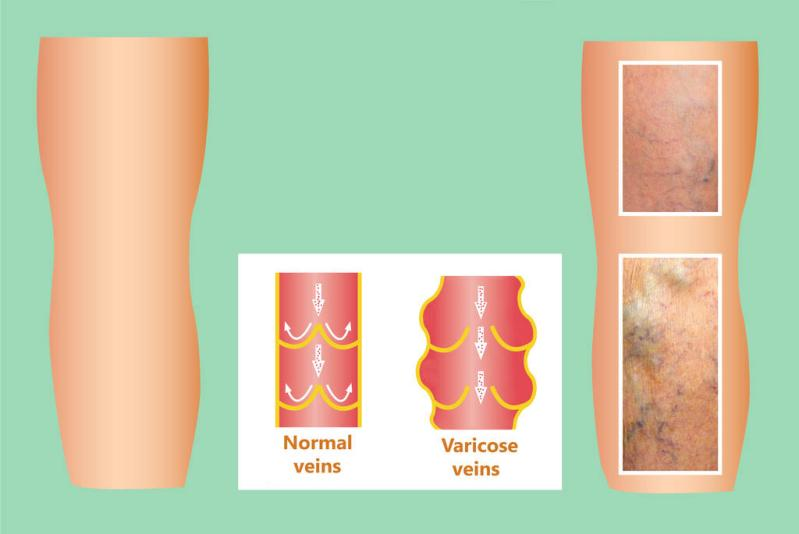
(Image source: Taikang Media Resource Library)
The winding "blue earthworms" are not just a cosmetic issue,
but a health alarm from your body! For lower limb varicose veins,
Early detection and intervention are essential to prevent complications such as skin discoloration and ulcers.
What needs to be done? Let's find out together↓↓↓
How is it treated using traditional surgery?
General anesthesia, surgery, and vein stripping can lead to significant trauma, slow recovery, scarring, and a potential risk of nerve damage. Older patients or those with pre-existing conditions often cannot undergo the procedure due to high risks, which discourages many from proceeding.
One-stop minimally invasive comprehensive treatment for varicose veins
Effective, minimally invasive, low pain, and quick recovery. It overcomes the limitations of traditional treatments, enabling patients to effortlessly bid farewell to the discomfort of "earthworm legs" without disrupting their daily routines during the process.
Three key minimally invasive techniques for a more effective varicose vein treatment
Minimally invasive treatment can be tailored to the individual by flexibly combining three techniques, depending on the degree of varicosity and the extent of vascular lesions, ensuring both effectiveness and comfort. With benefits such as minimal trauma, mild pain, quick recovery, and unobtrusive scars, these techniques have become a leading choice in surgical methods.
1. Great saphenous vein trunk laser ablation—closing the main diseased trunk without surgery
Currently, it is one of the key minimally invasive techniques for treating varicose veins. The procedure involves no surgery, requiring only a millimeter-sized puncture to accurately insert a thin laser fiber into the affected great saphenous vein trunk. With the precise thermal energy of the laser, the wall of the varicose vein undergoes fibrosis, permanently sealing the diseased blood vessel and stopping abnormal blood flow, effectively addressing the root cause of varicose veins.
Core advantages: The entire procedure is minimally invasive, requiring no major incisions and leaving only a pinhole-sized mark, which does not impact the cosmetic appearance of the leg. Local anesthesia is administered during the procedure, ensuring minimal discomfort. The patient stays fully conscious and can communicate with the doctor at any time. The procedure is quick, taking only about 30 minutes to treat a single leg. After the surgery, long-term bed rest isn't necessary, and patients can get up and walk slowly on the same day without impacting their daily activities.
2. Precise Dot Stripping for Varicose Veins—targeted removal, almost scar-free
For the visibly twisted and bulging venous branches in the calf area, the "stab avulsion" technique is employed. Small incisions, measuring 1-2 millimeters, are made on the skin surface over the varicose veins. Using specialized minimally invasive instruments, the diseased venous branches are precisely stripped and removed without causing damage to the surrounding healthy blood vessels, nerves, or tissues, thereby preserving the leg's normal physiological structure to the greatest extent possible.
Core advantages: Accurate positioning enables the complete removal of diseased blood vessels, significantly lowering the recurrence rate. The incisions are small and don't need stitches after surgery, just a simple dressing. Once healed, the scars are nearly invisible, satisfying the patient's cosmetic expectations. The trauma caused by the procedure is minimal, the pain is mild, and recovery is quick, with no impact on the leg's motor function.
3. Sclerotherapy—non-invasive and convenient, ideal for treating mild to moderate varicose veins
For mild varicose veins, capillary telangiectasia (commonly known as "telangiectasia"), and residual small varicose branches after surgery, sclerotherapy is employed. This procedure involves directly injecting a specialized sclerosing agent into the affected blood vessel without any puncture or incision. The agent induces aseptic inflammation of the vessel wall, ultimately leading to its closure and absorption, thereby achieving the desired therapeutic effect.
Core advantages: The entire process is non-invasive, with no incisions or bleeding. Patients can return to their normal activities immediately after treatment without needing any rest. The procedure is quick, with each injection lasting just a few seconds. There's no significant pain involved, only a mild feeling of soreness or fullness. It is especially suitable for patients looking for highly minimally invasive procedures and quick recovery, and it can also serve as a complementary approach in combination therapy to boost the overall effectiveness of treatment.
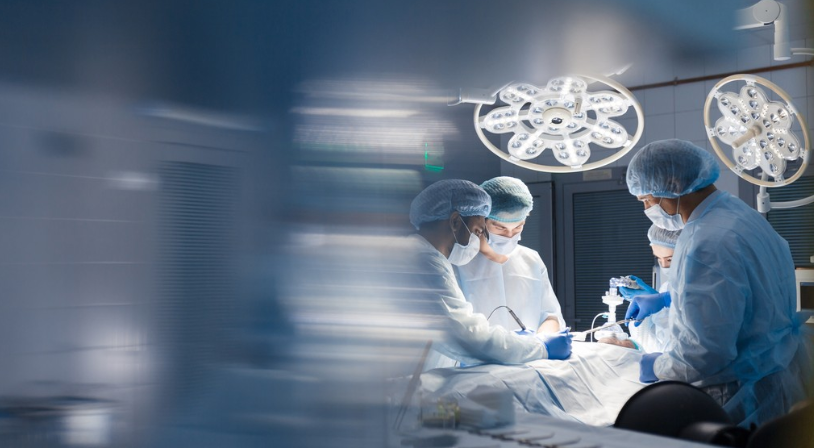
(Image source: Taikang Media Resource Library)
Core highlights of minimally invasive treatment: Not just about a “small incision,” but a comfortable experience from start to finish.
• Minimally painful throughout: Using local anesthesia, there is almost no pain during the surgery, avoiding the severe pain of traditional surgery, reducing the patient's psychological burden, and making the treatment process easier.
• Extremely minimally invasive: Mostly millimeter-level tiny incisions or non-invasive procedures, saying goodbye to the long incisions of traditional surgery, leaving no obvious scars on the legs, and balancing health with aesthetics.
• Convenient and efficient: The duration of a single surgery is short, eliminating the need for a long hospital stay. Post-operative recovery is fast, allowing patients to get out of bed and move around on the same day, without delaying work and life, truly achieving “efficient treatment and fast recovery.”
• Safe and precise: The entire procedure is performed under precise ultrasound localization, without damaging normal blood vessels and tissues. The treatment effect is definitive, with a low recurrence rate and few post-operative complications.
• Personalized plans: Doctors customize exclusive treatment plans based on each patient's condition, age, and aesthetic needs, flexibly combining the three major minimally invasive techniques to make the treatment more tailored to individual circumstances.
In such situations, it is advisable to pursue minimally invasive treatment at the earliest opportunity.
Many patients think that varicose veins only "affect appearance" and don't need treatment, but that's not true. As the condition worsens, issues like soreness, pain, swelling, and skin lesions can gradually develop, potentially leading to serious complications such as thrombosis, hemorrhage, and ulcers, which make treatment more challenging. If any of the following situations arise, it's advisable to promptly seek medical advice:
• Varicose veins resembling worms can appear on the lower limbs, even if there are no symptoms of discomfort.
• Soreness, heaviness, and fatigue in the legs after prolonged standing or sitting, not alleviated by rest;
• Swelling, itchy skin, or pigmentation (darkening of the skin) on the lower legs;
• Varicose veins accompanied by calf cramps, skin peeling, or the development of small ulcers;
• People who stand or sit for extended periods, such as teachers, traffic police, medical staff, drivers, and office workers, should consider preventive measures and early intervention.
Don't let "worm-like legs" impact your quality of life, and don't let procrastination make your condition worse!
Contributed by: Hu Shichen, Cardiothoracic Surgery Department

Service Hotline:40001-95522-3
24Hour Consultation Hotline:028-66831111
24Hour Emergency Hotline:028-66831120

WeChat Official