40001-95522
 sctk-yybgs@tkhealthcare.com40001-95522
sctk-yybgs@tkhealthcare.com
sctk-yybgs@tkhealthcare.com40001-95522
sctk-yybgs@tkhealthcare.com
WeChat Official

Internet Hospital

Online Shopping Mall

Sina Weibo
15 April 2026
March 12, 2026, will mark the 21st World Kidney Day. This year's theme, "Kidney Health for All: Advancing Equitable Access to Care and Optimal Medication Practices," highlights not only the significance of individual health and the diagnosis and treatment of kidney-related diseases but also underscores the need to address the environmental impact of medical activities. The goal is to foster a harmonious coexistence and sustainable development between human health and the natural environment.

(Produced by Sichuan Taikang Hospital Member Account)
Here are the "Eight Essential Rules" for kidney health, actions that everyone can take to protect both their kidneys and the planet:
1. Select aerobic exercises that you enjoy, such as brisk walking, jogging, swimming, or Tai Chi. Aim for at least 150 minutes of moderate-intensity exercise per week, spread over 5 days, with about 30 minutes each session. Regular exercise can improve blood circulation and enhance cardiopulmonary function, helping to control weight, blood pressure, and blood glucose levels. This, in turn, reduces the strain on the kidneys. The exercise intensity should be enough to make you sweat a little but not leave you feeling tired, and you should avoid overexertion.

(Taikang Media Resource Library)
2. Follow a low-salt diet, keeping your daily salt intake below 5 grams (about one teaspoon). Avoid high-salt foods like pickles, cured meats, and processed foods. Opt for high-quality protein sources like lean meats, fish, eggs, and dairy products. Tailor your intake according to your kidney function, typically aiming for 0.6-0.8 grams per kilogram of body weight each day. Maintain a balanced diet by incorporating more fresh vegetables, fruits, and whole grains into your meals. Limit your consumption of foods high in fat, sugar, and purines (such as organ meats, seafood, and rich meat broths), and steer clear of alcohol.
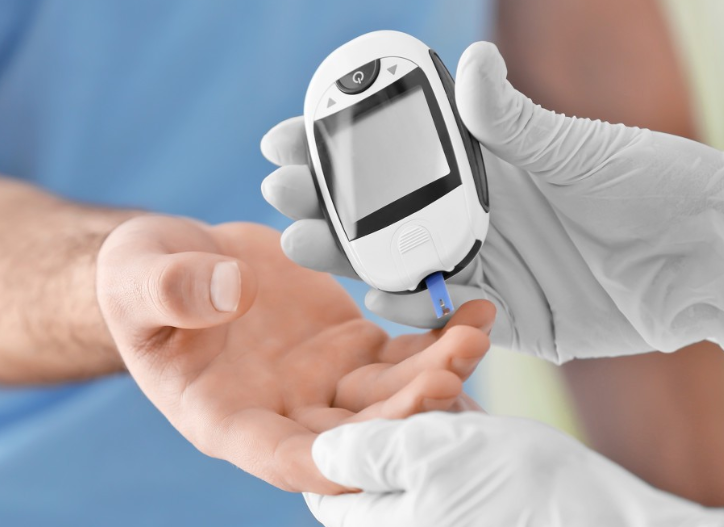
3. Monitor your Blood glucose regularly and keep it within the target range (generally, Fasting blood glucose 4.4-7.0 mmol/L, Postprandial 2-hour blood glucose <10.0 mmol/L) through diet control, exercise, and Pharmacological treatment. Diabetic patients need to develop a Personalized management plan under the guidance of a doctor, including Dietary modification, an Exercise regimen, and Pharmacological treatment.
(Taikang Media Resource Library)
4. Hypertension can damage the Renal vasculature, leading to a decline in renal function. Measure your blood pressure regularly and aim to keep it below 130/80 mmHg. If you have proteinuria, your target should be even lower. Manage your blood pressure by following a low-salt diet, engaging in moderate exercise, losing weight, and, if necessary, taking antihypertensive medications. Prioritize those that offer protective effects on the kidneys, such as ACE inhibitors or ARB drugs.
5. Individuals with normal kidney function should aim to drink 1500–2000 ml of water daily, preferably plain boiled water, and avoid replacing water with other beverages. If you have edema, Heart failure, or Renal insufficiency, you need to adjust your water intake according to your doctor's advice to avoid excessive fluid intake that could increase the burden on your kidneys.
6. Smoking can slow blood flow to the kidneys, and when the kidneys receive less blood, their normal function may be impaired. Smoking also increases the risk of renal cancer by 50%. Alcohol places additional strain on the kidneys, disrupts fluid and electrolyte balance, and excessive drinking can result in Acute Kidney Injury. Men should limit their daily alcohol intake to no more than 25 grams, while women should not exceed 15 grams. This is roughly equivalent to 750ml/450ml of beer, 250ml/150ml of red wine, or 50ml/30ml of high-proof spirits.
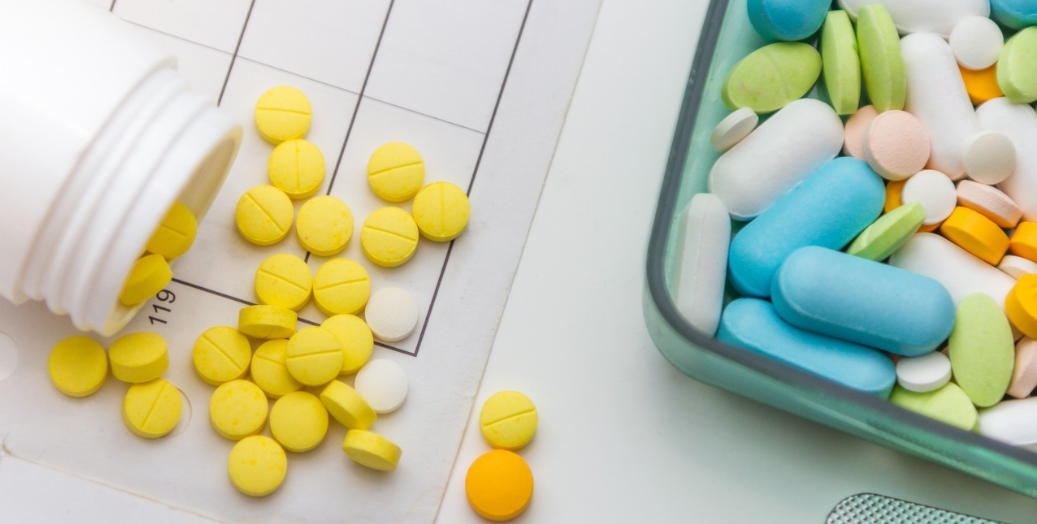
7. Avoid drug abuse. Many drugs (such as Non-steroidal anti-inflammatory drugs, some antibiotics, and Traditional Chinese Medicine containing Aristolochic acid) can damage the kidneys. Medication should be taken under the guidance of a doctor. Avoid taking painkillers, health supplements, or folk remedies on your own. Patients with Chronic Kidney Disease need to be even more cautious and reduce unnecessary drug use.
(Taikang Media Resource Library)
8. Regular check-ups can detect kidney damage early. High-risk groups (such as those with diabetes, Hypertension, obesity, or a family history of kidney disease) should have regular urinalysis, renal function tests (Serum creatinine, Blood urea nitrogen, etc.), and renal ultrasound to detect kidney lesions early. The general population is also advised to have an annual physical examination to stay informed about their Kidney health. By adhering to these guidelines, along with maintaining a consistent routine, getting sufficient sleep, and fostering a positive mindset, you can effectively safeguard your kidney health and lower the risk of kidney disease. If you experience symptoms like foamy urine, swelling, frequent nighttime urination, or fatigue, please seek medical attention promptly.
Early screening and prevention, precision medicine, and sustainable care.
Incorporate kidney care into your daily routine and make environmental conservation a way of life. Protect the two "filters"—our body's kidneys and the Earth, our home. Let health and sustainability go hand in hand, ensuring every life is gently safeguarded.
Department group photo
Phone: Dialysis Center 028-66831292, Ward 028-66831522, Emergency 028-66831120
In-person registration: Sichuan Taikang Hospital -- No. 881, Xianghe First Street, Huayang Subdistrict, Tianfu New Area, Chengdu
Online registration: Search for Sichuan Taikang Hospital WeChat Service Account on your mobile phone -- Medical Services - Make an Appointment - Internal Medicine - Nephrology Department
Contributed by: Song Fang, Nephrology Department

Service Hotline:40001-95522-3
24Hour Consultation Hotline:028-66831111
24Hour Emergency Hotline:028-66831120

WeChat Official